
Each recipe takes 30 minutes or less. Servings are sized for 2 people — easy to double for meal prep.

Slow-Roasted Tomato & Garlic Pasta
This is the recipe that proves prostate-friendly food can be deeply satisfying. Slow-roasting concentrates the tomatoes' lycopene and the olive oil makes it bioavailable — exactly the combination researchers recommend.
Ingredients
- 2 cups cherry tomatoes
- 6 garlic cloves, peeled
- 3 tbsp extra-virgin olive oil
- 1 tsp dried oregano
- Pinch of red pepper flakes
- Sea salt + black pepper
- 6 oz whole-grain spaghetti
- Handful of fresh basil
- 2 tbsp pine nuts, toasted
- Grated parmesan to finish
Method
- Heat oven to 400°F (200°C). Toss tomatoes and whole garlic cloves with olive oil, oregano, and pepper flakes on a sheet pan.
- Roast for 22–25 minutes, until tomatoes burst and garlic is golden and soft. Season with salt.
- Meanwhile, cook pasta in well-salted water until al dente. Reserve 1/2 cup of the pasta water before draining.
- Tip the roasted tomatoes (and all the oil from the pan) into the drained pasta. Add 2 tablespoons of pasta water and toss vigorously until a glossy sauce forms.
- Top with torn basil, toasted pine nuts, and a generous grating of parmesan.
Heat transforms tomatoes' lycopene into a form your body absorbs 2–3 times more efficiently. The olive oil isn't optional — it's the carrier that gets lycopene into your bloodstream.

Pan-Seared Wild Salmon with Lemony Broccoli
A 25-minute weeknight dinner that hits two of the biggest dietary patterns linked to prostate health — omega-3 rich wild fish and a generous portion of cruciferous vegetables loaded with sulforaphane.
Ingredients
- 2 wild salmon fillets (5 oz each)
- 1 large head of broccoli, cut into florets
- 3 tbsp olive oil, divided
- 4 garlic cloves, sliced thin
- 1 lemon (zest + juice)
- 1 tsp smoked paprika
- Sea salt + black pepper
- 1 tbsp capers (optional)
- Fresh parsley, chopped
- Lemon wedges to serve
Method
- Heat oven to 425°F (220°C). Toss broccoli with 1.5 tbsp olive oil, salt, and pepper. Roast for 18 minutes until edges are charred and crisp.
- Pat salmon dry. Season both sides with smoked paprika, salt, and pepper.
- Heat remaining olive oil in a non-stick pan over medium-high. Place salmon skin-side down and press gently for 30 seconds to prevent curling.
- Cook 4 minutes skin-side, then flip and cook 2–3 minutes more until just opaque in the center. In the final minute, add garlic and capers to the pan.
- Squeeze lemon over salmon. Toss roasted broccoli with lemon zest and parsley. Plate and serve with wedges.
Wild salmon delivers EPA and DHA — the two omega-3s most strongly linked to reduced inflammation. Broccoli's sulforaphane is preserved best when roasted (not boiled) and eaten within an hour of cooking.

Pumpkin Seed Power Bowl with Quinoa
Pumpkin seeds (pepitas) are one of the most zinc-dense foods you can eat — and zinc is the single most concentrated mineral in healthy prostate tissue. This bowl puts a generous handful into a balanced lunch.
Ingredients
- 3/4 cup quinoa, rinsed
- 1.5 cups vegetable broth
- 1 cup baby spinach
- 1/2 cup canned chickpeas, rinsed
- 1 small avocado, sliced
- 1/4 cup raw pumpkin seeds
- 1/4 red onion, diced fine
- 2 tbsp olive oil
- 1 tbsp apple cider vinegar
- 1 tsp Dijon mustard
- 1 tsp maple syrup
- Salt + cracked pepper
Method
- Combine quinoa and broth in a saucepan. Bring to a boil, then reduce heat, cover, and simmer for 15 minutes until liquid is absorbed. Let stand 5 minutes, then fluff.
- While quinoa cooks, toast pumpkin seeds in a dry pan over medium heat for 3–4 minutes, shaking often, until they pop and turn golden. Set aside.
- Whisk olive oil, apple cider vinegar, Dijon, maple syrup, salt, and pepper into a quick dressing.
- Divide warm quinoa into bowls. Top with spinach, chickpeas, avocado, red onion, and toasted pumpkin seeds.
- Drizzle dressing over everything just before eating. The warm quinoa will gently wilt the spinach.
A 1/4-cup serving of pumpkin seeds delivers nearly 20% of your daily zinc plus magnesium and beta-sitosterol — a plant sterol studied for its supportive role in prostate health.
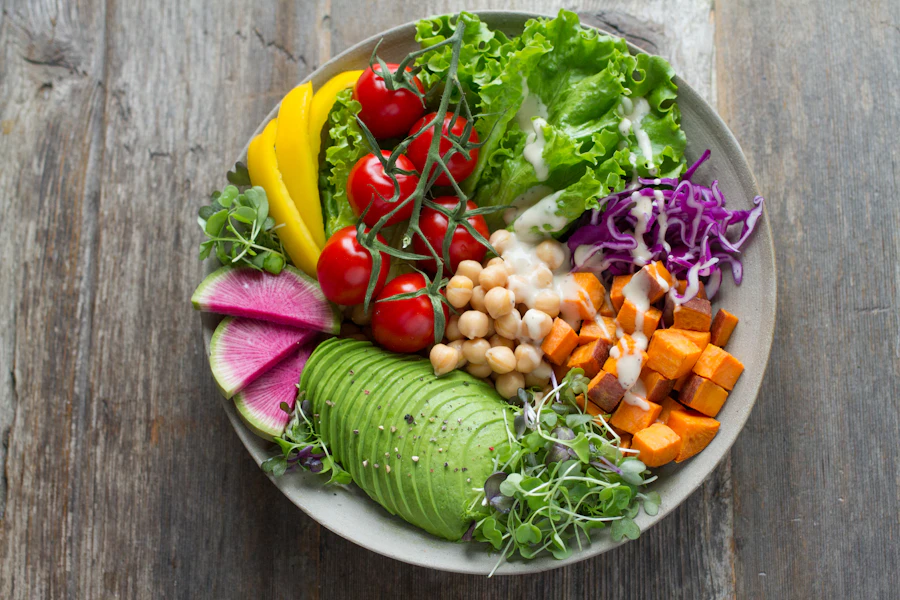
Kale, Walnut & Berry Power Smoothie
A no-excuses breakfast that takes 90 seconds and packs in kale (cruciferous), walnuts (plant-based omega-3), berries (polyphenols), and green tea (catechins). Eight nutrients in one glass.
Ingredients
- 1 cup brewed green tea, cooled
- 1 packed cup baby kale
- 1/2 cup frozen mixed berries
- 1/2 banana
- 2 tbsp walnut halves
- 1 tbsp ground flaxseed
- 1 tsp raw honey (optional)
- 2–3 ice cubes
Method
- Brew a cup of green tea the night before and chill it. The cooled tea forms the smoothie base — far more polyphenols than juice.
- Add all ingredients to a blender in this order: liquid first, then soft fruit, then kale, walnuts, flax, and ice on top.
- Blend on high for 60–90 seconds until completely smooth. If it's too thick, splash in a little more green tea.
- Pour into a tall glass. Drink within 10 minutes — the polyphenols start oxidizing once exposed to air.
Green tea contains EGCG, a catechin extensively studied for its supportive effects on prostate cells. Combined with walnut omega-3s and berry polyphenols, this is one of the most nutrient-dense drinks you can make.
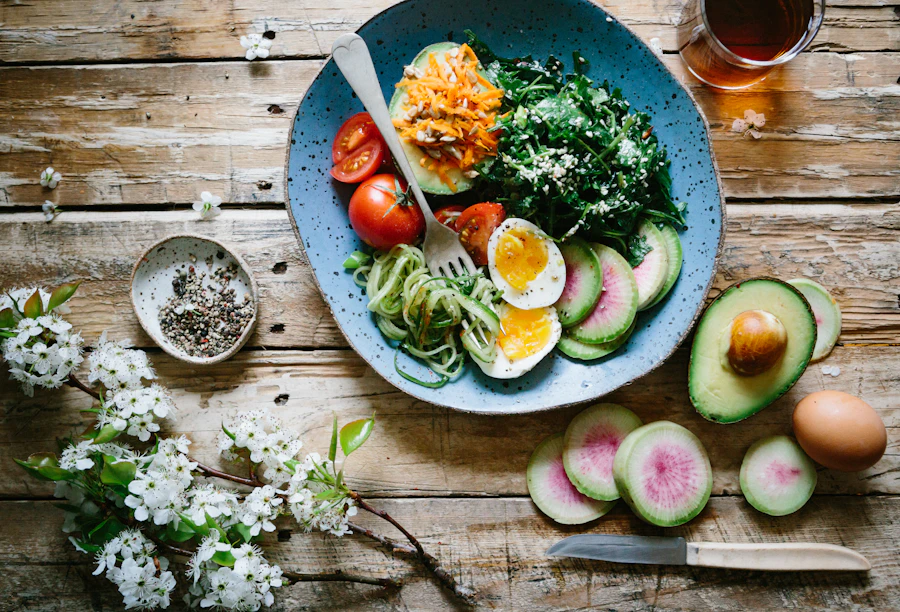
Mediterranean Vegetable & White Bean Bake
Inspired by the dietary pattern most strongly linked in longitudinal studies to lower rates of prostate concerns. Eggplant, zucchini, tomatoes, and white beans cooked low and slow with herbs and good olive oil.
Ingredients
- 1 medium eggplant, cubed
- 2 zucchini, sliced
- 1 red bell pepper, sliced
- 1 yellow onion, sliced
- 4 garlic cloves, minced
- 1 can (14 oz) crushed tomatoes
- 1 can (14 oz) cannellini beans, drained
- 4 tbsp olive oil
- 2 tsp dried oregano
- 1 tsp dried thyme
- Handful of olives, pitted
- Fresh basil to finish
Method
- Heat oven to 400°F (200°C). Salt the cubed eggplant in a colander for 10 minutes, then pat dry — this removes bitterness and prevents sogginess.
- In a large oven-safe pan or baking dish, layer all the vegetables. Drizzle with olive oil, scatter garlic, oregano, and thyme, and season generously with salt and pepper.
- Pour crushed tomatoes over the top. Bake uncovered for 25 minutes.
- Remove from oven, stir in the white beans and olives, and return to the oven for another 10 minutes.
- Finish with torn basil and an extra drizzle of olive oil. Serve over brown rice or with crusty whole-grain bread.
This single dish hits cooked tomatoes (lycopene), legumes (fiber + plant protein), and a Mediterranean fat profile — three pillars of the dietary pattern most consistently associated with better long-term prostate outcomes.

Brazil Nut & Cacao Energy Bites
Two Brazil nuts a day cover your full selenium requirement — a trace mineral linked to prostate health. These no-bake bites make hitting that target almost effortless and they're delicious enough to feel like a treat.
Ingredients
- 10 Brazil nuts
- 1 cup pitted Medjool dates
- 1/2 cup rolled oats
- 2 tbsp raw cacao powder
- 2 tbsp ground flaxseed
- 2 tbsp pumpkin seeds
- 1 tsp vanilla extract
- Pinch of sea salt
- 1–2 tbsp water if needed
- 2 tbsp desiccated coconut (optional roll)
Method
- Pulse Brazil nuts and pumpkin seeds in a food processor until they form a coarse meal — about 12 pulses. Don't over-process or you'll get nut butter.
- Add dates, oats, cacao, flaxseed, vanilla, and salt. Process for 60–90 seconds until the mixture clumps together when pinched.
- If too dry, add water 1 teaspoon at a time. Stop as soon as it holds together.
- Scoop tablespoon-sized portions and roll into balls. If you like, roll in desiccated coconut for a nice finish.
- Chill in the fridge for at least 30 minutes to firm up. Keep refrigerated and eat within 7 days. Two bites equals roughly one Brazil nut.
Brazil nuts are by far the most selenium-rich food on the planet — a single nut delivers more than your daily target. Don't overdo it though: 2–3 nuts per day is the sweet spot. More than that and selenium can become problematic.
How to Use These Recipes Each Week
Consistency beats intensity. Here's a simple framework for building these into your routine.
Salmon Twice a Week
Aim for two servings of fatty fish weekly. Wild salmon, sardines, mackerel, or trout all qualify. Frozen wild salmon is just as nutritious as fresh and far more affordable.
Tomatoes Almost Daily
Cooked, not raw. Tomato sauce on whole-grain pasta, roasted cherry tomatoes on eggs, marinara on lentils. Aim for 4+ servings per week of cooked tomato.
Cruciferous Three Times
Broccoli, cauliflower, kale, Brussels sprouts, cabbage. Three servings per week minimum. Steam lightly or roast at high heat — never boil into oblivion.
Daily Handful of Seeds
Pumpkin seeds on salads, in yogurt, by themselves. A modest daily handful is one of the simplest, most consistent ways to support zinc levels.
Green Tea Instead of Coffee #2
Swap your second cup of coffee for green tea. You'll still get caffeine but also EGCG, L-theanine, and a long list of well-studied catechins.
Walk After Dinner
Not a recipe, but worth mentioning. A 20-minute post-dinner walk supports the same inflammation pathways your diet is targeting. Small habit, large compounding effect.
What to Limit (Not Eliminate)
None of these need to disappear completely. Just push them from "daily" to "occasional" and you've already made a significant change.
Processed Red Meat
Bacon, hot dogs, deli meats, sausages. The nitrate preservatives are the main concern. Limit to once or twice a month.
Charred Grilled Meat
The black char on a steak contains heterocyclic amines. Cook at lower temperatures, or marinate beforehand to reduce HCA formation by 90%.
High-Sugar Drinks
Soda, sweetened iced tea, energy drinks. Drives the kind of chronic insulin elevation associated with cellular stress over time.
Refined Vegetable Oils
Corn, soybean, sunflower oils when heavily processed. Stick with olive oil, avocado oil, and small amounts of butter for cooking.
Excess Calcium Supplements
Calcium from food is fine. Mega-dose supplements (over 1,500 mg/day) have been linked to less favorable outcomes. Get it from food where possible.
Heavy Alcohol Use
Moderate (1 drink/day) appears neutral in most studies. Heavy or binge drinking is consistently associated with worse outcomes across men's health markers.
Small Plates, Long Game
You don't need to overhaul everything overnight. Pick one recipe from this guide, cook it this week, and let the habit build from there. Your future self — and your prostate — will thank you.
Save This GuideNote: This article is for educational and culinary purposes only and is not a substitute for professional medical advice, diagnosis, or treatment. Always consult your physician or a qualified healthcare provider with any questions you may have regarding a medical condition or before making significant dietary changes — especially if you are managing an existing health concern or taking medication.